Bounds Green Road rubbish day checklist for N11 homes
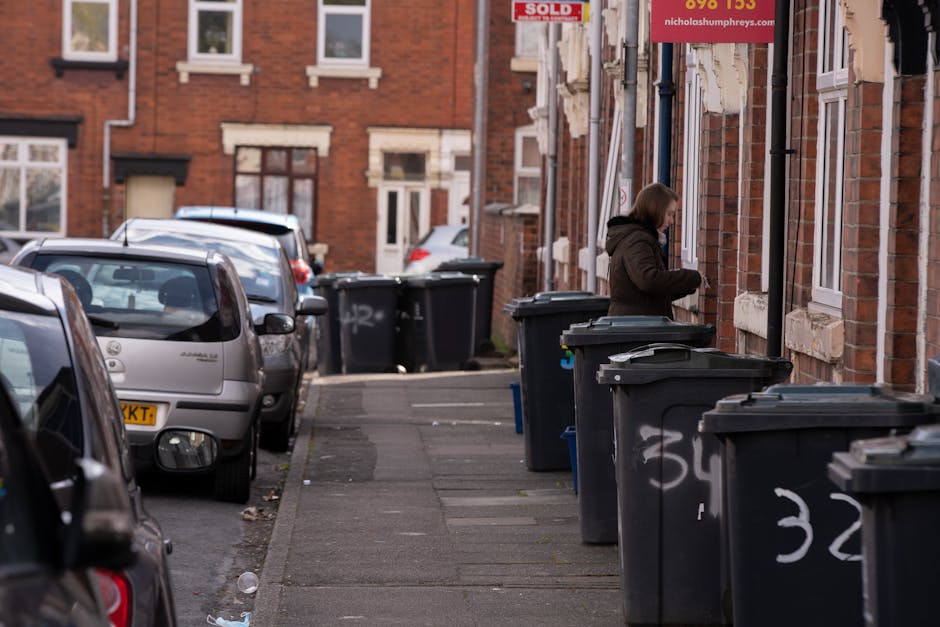
If you live on Bounds Green Road, rubbish day can be one of those small weekly tasks that somehow turns into a bigger headache than it should be. Miss the collection window, put the wrong thing out, or leave bags blocking a narrow pavement, and suddenly the whole street feels it. This guide to the Bounds Green Road rubbish day checklist for N11 homes is here to make that routine calmer, quicker, and far less awkward.
Whether you are in a flat near the station, a terraced home, or a busy household juggling food waste, recycling, and the odd bulky item, a simple system helps. You will find a clear step-by-step checklist, practical tips, common mistakes, and a few local common-sense ideas that make rubbish day smoother. Truth be told, it is usually the little details that save the hassle.
Why Bounds Green Road rubbish day checklist for N11 homes Matters
Rubbish day matters because it is the point where your home, your neighbours, and your street all meet in a very visible way. On a busy road like Bounds Green Road, bags left out too early, overflowing bins, or mixed-up recycling can create avoidable mess, blocked pathways, and an annoying scramble when the collection has already passed. Nobody wants to be that house with a gull problem on a windy morning. Nobody.
A clear checklist helps you stay ahead of the routine instead of reacting at the last minute. It also reduces the chance of contamination in recycling, keeps smells down, and makes it easier to spot items that need separate handling, such as a broken fridge, an old mattress, or furniture that needs a proper disposal route. If you are clearing out more than a single bin bag, it can also help you decide whether a regular collection is enough or whether you need something like waste removal, furniture disposal, or a broader home clearance service.
There is another reason it matters in N11: homes here are often close together, and access can be tight. If your bags are heavy, awkward, or left in the wrong place, that is not just inconvenient. It can become a trip hazard or a nuisance for passers-by. A checklist keeps things neat, sensible, and easier on everyone.
How Bounds Green Road rubbish day checklist for N11 homes Works
The basic idea is simple: you prepare the right waste, in the right containers, at the right time, and place it where it can be collected safely. The checklist breaks that into smaller decisions so nothing gets missed. That matters because rubbish day is not just about taking a bag outside. It is about sorting, timing, access, and knowing what should not go into the bin in the first place.
For most N11 homes, the process starts the day before collection. You check what has built up through the week, separate recycling from general rubbish, and pull out anything that needs special handling. Food containers with residue, broken glass, nappies, packaging, paper, cans, garden cuttings, and small appliances all need different treatment depending on what you are disposing of. If you have a loft full of forgotten clutter or a garage that has quietly turned into a storage cave, the same logic applies, just on a bigger scale. Services such as loft clearance or garage clearance can be useful when the weekly bins are no longer enough.
The final step is putting everything out correctly. That means using the right bin or bag, closing lids properly, and leaving items where collectors can reach them without obstruction. On streets like Bounds Green Road, that last bit is not a small thing. Access matters. A lot.
Key Benefits and Practical Advantages
A good rubbish day routine gives you more than just a tidy pavement. It saves time, reduces stress, and helps your household run more smoothly. That may sound a bit obvious, but when you are rushing out the door at 8:10 a.m. with a full bag in one hand and a coffee in the other, obvious things suddenly become very useful.
- Less missed collection risk: You know what goes out, when it goes out, and where it goes.
- Better sorting: Recycling contamination is less likely when you have a repeatable process.
- Cleaner entrance areas: Bags and bins are less likely to leak, topple, or attract pests.
- More space at home: Waste does not sit around waiting for a vague "later".
- Better judgment on bulky items: You spot early when a chair, mattress, or appliance needs a separate route.
- Lower hassle for neighbours: No one enjoys stepping around someone else's poorly placed rubbish.
There is also a quiet financial advantage. When waste is organised, you are less likely to pay for rushed removals or emergency clearances. If you need a quote for a larger job, a page like pricing and quotes can help you compare your options before the clutter gets out of hand.
Who This Is For and When It Makes Sense
This checklist is for anyone in an N11 home who wants rubbish day to feel less chaotic. That includes homeowners, renters, flat residents, families with lots of packaging waste, and people who work from home and end up with the strange side effect of producing more waste on Tuesdays than they expected. It also makes sense if you share bins with neighbours, because shared arrangements work best when everyone is consistent.
It is especially useful if you are:
- trying to keep a small front area tidy before collection
- managing a weekly recycling and general waste routine
- dealing with bulky leftovers after a room clear-out
- planning a move, refurb, or spring clean
- sorting household paperwork and considering confidential shredding for sensitive documents
- trying to keep waste handling safe around children, pets, or older relatives
For flat residents, rubbish day can be a bit more constrained. Shared bins fill quickly, and if one household gets the process wrong, everyone notices. In those settings, a tidy habit has real value. For larger properties or move-outs, a broader service such as house clearance or flat clearance may make more sense than trying to manage everything through regular collection alone.
Step-by-Step Guidance
Here is a practical weekly system you can use without turning rubbish day into a whole household event. The aim is not perfection. The aim is control.
- Start with the obvious rubbish. Walk through the kitchen, bathroom, hallway, and any home office space. Collect small bags, food packaging, tissue waste, and anything that has built up in corners.
- Separate recycling properly. Keep clean cardboard, paper, cans, bottles, and plastics apart from general waste where your household routine requires it. If something is greasy, soaked, or contaminated, do not assume it belongs in recycling.
- Check for awkward items. Batteries, electricals, broken glass, paint, chemicals, and sharp objects need special thought. If you are unsure, set them aside rather than guessing. Guessing is how bins get rejected, and it is never a lovely morning.
- Break down boxes and bulky packaging. Flatten cardboard so it sits neatly and does not catch the wind. On a breezy stretch of road, this detail matters more than people think.
- Bag food waste securely. Tie liners firmly. If food waste is loose or leaking, smells arrive quickly, and the whole area gets unpleasant.
- Move items to the right collection point. Keep walkways clear and make sure bins are where collectors can access them without blocking neighbours, doors, or entrances.
- Return bins promptly after collection. Once emptied, bring bins back in as soon as you reasonably can. It keeps the street looking orderly and reduces clutter outside.
If your weekly sorting keeps revealing one item too many, that is usually a sign the rubbish day routine is doing more than it should. A quick look at what can go in a skip can help when you are deciding whether a one-off clearance or a larger waste solution would save effort.
Expert Tips for Better Results
Small habits make the biggest difference. In our experience, the households that cope best with rubbish day are not the ones with the fanciest storage. They are the ones with the most repeatable habits. A hook for bin bags, a fixed staging spot, and a regular five-minute check can beat a complicated system every time.
- Keep a small "waste station" indoors. A lined caddy in the kitchen and a small box for recycling odds-and-ends stops things from being scattered everywhere.
- Use one final sweep. Just before collection time, do one calm walk through the property. It catches the stuff people forget: a takeaway cup, a wrapper, a broken parcel filler, that sort of thing.
- Store bulky items separately. If a chair, mattress, or old appliance is waiting for removal, do not leave it mixed with weekly rubbish. It creates confusion and can block access. For items like those, specialist pages such as mattress and sofa disposal or fridge and appliance removal are usually more appropriate.
- Keep an eye on weather. A wet or windy evening can make badly placed bags messy fast. If possible, secure lids and avoid overfilling.
- Think in categories, not piles. General waste, recycling, bulky waste, food waste, and special items should each have a place.
A slightly nerdy tip, but a useful one: if you can complete your rubbish day routine in under ten minutes, your system is probably working. If it takes half an hour and two trips upstairs, there is room for improvement.
Common Mistakes to Avoid
Most rubbish day problems come from the same handful of mistakes. The good news is that they are easy to fix once you spot them.
- Mixing recycling with food waste: One dirty item can spoil a neat bag of recyclable material.
- Leaving bags out too early: This can make the street look untidy and invite pests or windblown litter.
- Overfilling bags: Heavy, stretched bags tear more easily and are awkward to move.
- Blocking pavements or gateways: That is unfair to neighbours and can create access issues.
- Ignoring small hazardous items: Things like batteries or broken electrical goods should not be tossed in with ordinary rubbish.
- Forgetting what needs separate disposal: A stray old printer, a cracked microwave, or a pile of builder's debris usually needs a different route.
The same goes for refurbishment leftovers. If your "rubbish" includes tiles, timber, plasterboard, or demolition debris, that is not really routine household waste. You may need builders waste clearance instead of relying on a weekly bin collection. That distinction saves a lot of faffing about later.
Tools, Resources and Recommendations
You do not need a complicated setup to stay on top of rubbish day. A few practical tools go a long way.
- Strong bin liners: Use bags that fit your bin properly and are less likely to split.
- Labelled kitchen caddies: Handy if more than one person in the home handles waste.
- Fold-flat cardboard storage: A corner in the hallway or utility space can keep recycling neat until collection day.
- Gloves and tongs: Useful for sharp, dirty, or awkward items. Nothing glamorous, but practical.
- Document shred bag or box: Good for paperwork you do not want to throw out loosely before shredding.
If you are dealing with a wider clear-out, some related services may be useful depending on the type of waste. For example, furniture clearance works well for larger household items, while garden clearance is more relevant after a pruning session or outdoor tidy-up. For home and property-wide clutter, home clearance is often the practical next step.
If you prefer a more structured, service-led route, you can also review the company background on the about us page before booking anything. That is usually a sensible habit, honestly.
Law, Compliance, Standards, or Best Practice
For household rubbish in the UK, the key thing is to follow local collection rules and avoid putting prohibited items into ordinary bins. Exact rules can vary, so the safest approach is to treat your local collection guidance as the reference point and keep to sensible household best practice. The core principle is straightforward: do not place waste out in a way that creates a nuisance, blocks access, or puts collectors at risk.
There are also broader best-practice points worth keeping in mind:
- Segregate waste where possible: Separate recyclables, food waste, general waste, and special items.
- Keep hazardous or specialist waste out of household bins: Paint, chemicals, sharp objects, and some electricals need extra care.
- Use licensed, responsible services for larger disposals: If you are not sure how an item should be handled, a proper waste contractor is safer than a guess.
- Keep access clear: This is a practical safety issue as much as a neatness issue.
Where security and handling matter, especially with sensitive documents or mixed household clear-outs, it is worth looking at the company's policies on payment and security, insurance and safety, and health and safety policy. Those pages give a better sense of how the service approach is organised. Not thrilling reading, perhaps, but useful.
Options, Methods, or Comparison Table
Not every rubbish day problem needs the same answer. Sometimes a simple bin routine is enough. Sometimes you need a one-off clearance. Here is a quick comparison to help you decide.
| Option | Best for | Strengths | Limitations |
|---|---|---|---|
| Standard weekly bin routine | Normal household waste and recycling | Simple, familiar, low effort | Not suitable for bulky or specialist waste |
| Focused rubbish day checklist | Busy homes on Bounds Green Road | Keeps collections tidy and predictable | Still relies on the household to sort correctly |
| One-off waste removal | Unexpected clutter, post-move waste, mixed items | Good for fast clear-outs and awkward loads | May not be necessary for small volumes |
| Specialist item disposal | Mattresses, sofas, fridges, appliances, hazardous waste | Safer and more appropriate for tricky items | Requires the right service for the right item |
For most homes, the weekly checklist comes first. But if you keep finding more waste than your bins can reasonably handle, it is worth moving up a level rather than forcing the issue. That can save time, reduce mess, and keep your home feeling manageable.
Case Study or Real-World Example
A typical N11 example goes like this. A family on Bounds Green Road clears the kitchen during the week: a few food packaging bits, a broken chair from the hallway, cardboard from a delivery, and an old printer that has been sitting in a cupboard for months. By Friday evening, the bags are already getting full, and the front entrance starts to look crowded.
Instead of trying to cram everything into the usual bin, they sort the weekly waste first, flatten the cardboard, remove the printer and chair from the pile, and decide the bulky items need separate handling. The general rubbish goes out neatly, the street stays clear, and the awkward bits are dealt with through the appropriate route later. Not exciting, but effective. The house feels calmer, and the weekend starts without that small background stress of "we should really deal with that".
That is the real point of a rubbish day checklist. It is not about being tidy for its own sake. It is about reducing friction in everyday life. And once you have a system, you hardly think about it anymore.
Practical Checklist
Use this simple checklist before collection day. You can print it, copy it into your phone, or just keep it in your head once it becomes routine.
- Have I checked every room for small rubbish and packaging?
- Have I separated recycling from general waste?
- Have I removed food contamination from items that should be clean?
- Have I set aside batteries, sharp items, chemicals, and electricals?
- Have I flattened cardboard and bulky packaging?
- Are all bags tied securely and not overfilled?
- Have I identified any bulky furniture, appliances, or mattresses that need separate disposal?
- Is the collection point clear and easy to access?
- Will the bins be placed neatly and returned promptly after collection?
- Do I need a wider clearance service for items building up in the loft, garage, or garden?
Quick expert summary: the best rubbish day system is the one you can repeat every week without stress. Keep it simple, keep it tidy, and separate anything that looks even slightly out of place. A minute of sorting now saves a lot of annoyance later.
If your checklist keeps turning into a bigger job than expected, it may be worth booking a professional collection through book online. That can be especially handy when you want the job done cleanly and without multiple trips up and down stairs.
Get a free quote today and see how much you can save.
Conclusion
A solid Bounds Green Road rubbish day checklist for N11 homes is one of those small household systems that pays off every single week. It keeps waste under control, helps you avoid preventable mistakes, and makes your home feel more organised without much effort. For busy households, shared flats, or properties that regularly produce awkward items, it is less of a nice-to-have and more of a sanity-saver.
If you take nothing else from this guide, remember the basics: sort early, keep access clear, separate bulky or specialist waste, and do not wait until the last minute. That is usually enough to make rubbish day feel manageable. And when the week is already full enough, manageable is a very good place to be.
A little routine goes a long way. Really, it does.
Frequently Asked Questions
What should be included in a Bounds Green Road rubbish day checklist?
It should cover sorting general waste, separating recycling, checking for bulky or special items, tying bags securely, and making sure bins are placed where collectors can reach them safely.
How early should I put rubbish out on collection day?
Follow your local collection timings and avoid leaving bags out too far in advance. Putting waste out too early can create mess, block access, and attract pests or foxes.
What if my rubbish includes furniture or a broken appliance?
Those items usually need a separate disposal route. A standard weekly bin is rarely the right option for sofas, mattresses, fridges, or large appliances.
Can I mix food waste with general rubbish?
Yes, in the sense that some households do, but it is usually better to separate waste properly according to the collection rules you follow. Food waste in the wrong bin can cause smells and contamination.
What if I live in a flat on Bounds Green Road?
Flat residents often need to be especially organised because shared bins fill quickly. A simple routine helps reduce overflow and keeps common areas tidier.
Is it worth making a checklist if I only have one small bin?
Yes. Even small households benefit from a repeatable process. It stops waste from building up and helps you spot items that should not go in the bin at all.
What items should never go in regular household rubbish?
Batteries, chemicals, many sharp objects, and some electrical items should be handled separately. If you are unsure, set them aside rather than guessing.
How can I stop rubbish bags from splitting?
Use strong liners, avoid overfilling, and check that bags are tied securely. Heavy mixed waste and sharp packaging are common reasons bags tear.
When should I book a waste removal service instead of using bins?
If you have bulky furniture, multiple large bags, appliance waste, or clutter from a clear-out, a dedicated removal service is often more practical than relying on weekly collections alone.
Can this checklist help with garden or loft clear-outs too?
Yes, in principle. The same habit of sorting early and separating special items helps with a garden clearance or loft clearance, even though those jobs usually involve different waste types.
How do I know whether an item is recyclable or not?
Use the collection guidance you already follow, and if something is dirty, mixed-material, or awkwardly shaped, treat it cautiously. When in doubt, separate it and seek a proper disposal route.
Where can I find more information before booking a service?
You can review the company's service pages and supporting information, including recycling and sustainability and terms and conditions, to understand the approach before you decide what to book.
What is the simplest way to make rubbish day less stressful?
Do a short sweep the night before, sort waste into clear categories, and keep the collection point tidy. Simple, really. A few minutes of order saves a lot of morning panic.