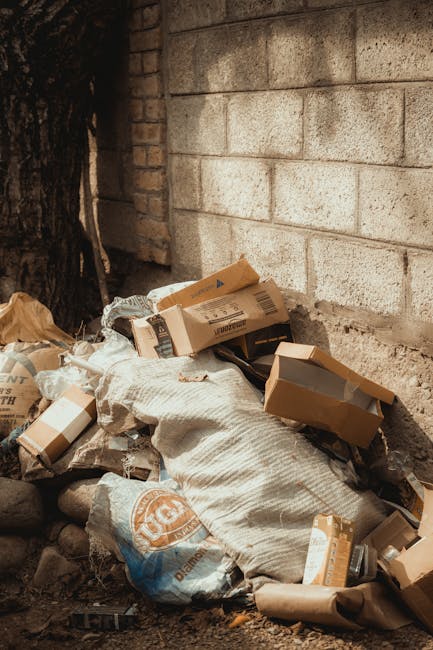
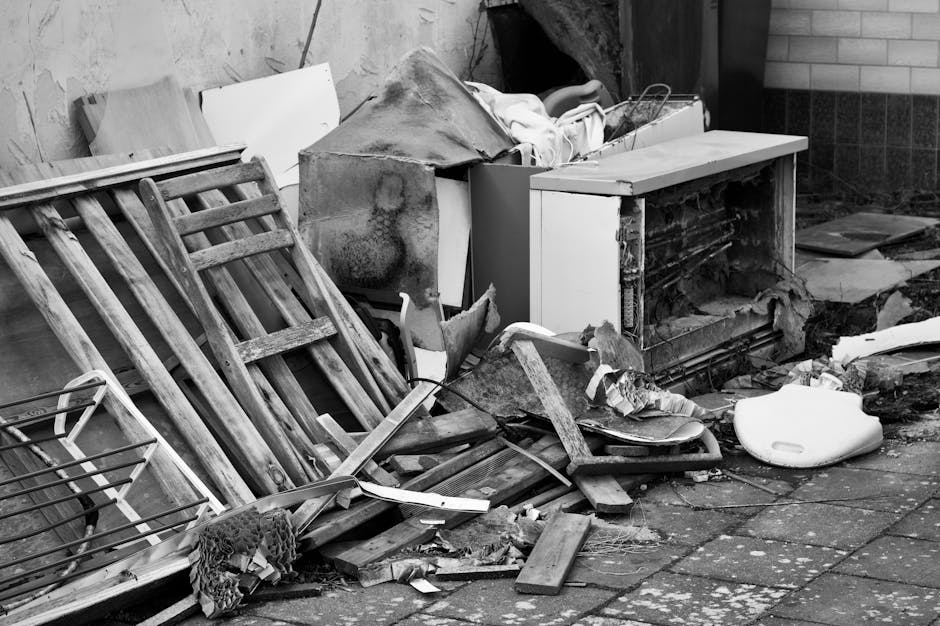
Avoid hidden rubbish removal charges in Bounds Green
If you have ever booked rubbish removal and then watched the final bill creep up, you will know how frustrating it feels. One minute you think you have agreed a straightforward price; the next, there are add-ons for access, labour, load size, parking, or "unexpected" waste. That is exactly why learning how to avoid hidden rubbish removal charges in Bounds Green matters. It saves money, yes, but it also saves time, stress, and the awkward back-and-forth that tends to happen when a quote was never properly explained in the first place.
In Bounds Green, where homes, flats, conversions and busy commercial premises all create different clearance challenges, clarity is everything. This guide walks you through what hidden charges look like, how reputable rubbish removal pricing usually works, what to check before you book, and how to compare services without getting caught out. You will also find a checklist, a comparison table, and practical examples you can use straight away.
Contents
- Why this matters
- How rubbish removal pricing works
- Key benefits and practical advantages
- Who this is for
- Step-by-step guidance
- Expert tips for better results
- Common mistakes to avoid
- Tools, resources and recommendations
- Law, compliance, standards and best practice
- Options and comparison
- Case study example
- Practical checklist
- Conclusion
- Frequently asked questions
Why Avoid hidden rubbish removal charges in Bounds Green Matters
Hidden charges are more than an annoyance. They distort the real cost of clearing waste, which makes it harder to budget for home projects, office moves, tenancy changes, or building work. In a place like Bounds Green, where properties vary from compact flats to larger family homes and mixed-use premises, the volume and access conditions can change the price more than people expect. A stair-only flat, a rear garden full of broken items, or a narrow driveway can all affect labour and time.
The biggest problem is not simply that extra charges exist. It is that some of them are not explained clearly enough before the job starts. That is where trust gets damaged. A fair rubbish removal service should tell you what is included, what may change the price, and how any extra work will be approved. If that clarity is missing, the quote is not really a quote. It is a guess, and guesswork in this area tends to get expensive.
There is also a local practical angle. In busy parts of North London, waste removal often needs planning around parking, access, and timing. If a company has not asked the right questions about where the waste is located or how it will be collected, there is a good chance they will add charges later. A few minutes of honest discussion up front can prevent a messy surprise later on. Truth be told, that conversation is usually the difference between a smooth clearance and a grumble-filled afternoon.
Key takeaway: the cheapest headline price is not always the best value. A clear, itemised quote usually protects you better than a vague low estimate that changes on arrival.
How Avoid hidden rubbish removal charges in Bounds Green Works
At its core, avoiding hidden charges is about understanding how rubbish removal is priced and what details affect the final cost. Most services will base the price on a mix of waste volume, waste type, access, labour, and disposal requirements. That sounds simple, but the devil is in the detail.
For example, a pile of general household rubbish in easy reach is very different from a heavy mixture of furniture, broken appliances, and builders' debris tucked away in a top-floor flat. One job might take a quick load-and-go. Another may need sorting, lifting, extra manpower, and additional disposal handling. If a provider does not ask enough questions, their original quote may be too low. Then, when they arrive, they look at the job and "adjust" the price. Not ideal.
A proper pricing conversation should usually cover:
- what exactly is being removed
- rough quantity or load size
- where the items are located
- how easy it is to access the waste
- whether the waste includes bulky, heavy, or awkward items
- whether anything needs specialist handling
If you are disposing of furniture, appliances or mixed household waste, a company may also need to consider whether items can be recycled, dismantled, or separated. That is one reason why services such as furniture clearance and fridge and appliance removal may be priced differently from standard rubbish loads.
To avoid hidden fees, the goal is simple: move from vague estimates to specific confirmation. You want to know what the company has included, what could alter the quote, and whether they need a final inspection before confirming the price. If a provider is transparent, they will not mind explaining that. In fact, the good ones usually welcome the question.
Key Benefits and Practical Advantages
Getting pricing right gives you more than just a fair bill. It improves the whole experience. Let's face it, when a clear-out is already stressful, the last thing you need is a debate over a surprise surcharge.
- Better budgeting: you can plan your spend properly before the job starts.
- Fewer disputes: clear terms reduce arguments after collection.
- Faster decisions: when the quote is transparent, you can book with confidence.
- More suitable service choice: you can match the job to the right type of clearance.
- Improved trust: honest pricing usually reflects better overall service standards.
There is another benefit that people overlook: a well-scoped quote often leads to better efficiency. If the company knows the access, waste type, and volume in advance, they can send the right vehicle and enough crew. That means less waiting around on the day, fewer return trips, and fewer awkward "we need to adjust the price" moments. Small detail, big difference.
For business premises, this can matter even more. A shop refit, office declutter, or post-lease clearance needs clear timing and predictable costs. If you are handling a commercial space, it may be worth looking at office clearance or business waste removal options that spell out the process from the outset.
Who This Is For and When It Makes Sense
This advice is useful for just about anyone arranging waste collection in Bounds Green, but it is especially relevant if your clear-out has multiple items, limited access, or time pressure. Hidden charges tend to show up when the job is more complicated than it first appears.
You should pay close attention if you are:
- clearing a flat with stairs, lifts, or shared access
- disposing of bulky furniture or mattresses
- removing builders' rubble after renovations
- emptying a garage, loft, or garden area
- handling an office move or business premises tidy-up
- dealing with mixed waste types
Some jobs naturally invite more pricing questions than others. A simple bag collection is one thing. A full house clearance is another matter entirely. If you are not sure which service fits, browsing pages such as house clearance, home clearance, loft clearance, or garage clearance can help you understand how different jobs are typically handled.
There is also a "when it makes sense" question. If your waste is small, local, and easy to move, you may not need a large or complex service. If it is heavy, mixed, or time-sensitive, it often makes sense to pay for a provider that explains things properly. Paying a fair price once is better than paying a cheap price twice. A bit blunt, but true.
Step-by-Step Guidance
Here is a practical way to keep hidden charges out of the picture. It is not complicated, but it does need a bit of discipline.
- List exactly what needs removing. Write down the items, not just "rubbish". Include furniture, bags, appliances, garden waste, building debris, or anything awkward.
- Estimate the volume honestly. If you are unsure, describe it in real terms: half a van, a small room, a shed full, a few bulky items. That is more useful than guessing.
- Explain access conditions. Mention stairs, tight hallways, parking restrictions, back entrances, shared access, or long carries.
- Ask what is included in the price. Labour, loading, disposal, recycling, fuel, and VAT should all be clear.
- Ask what could trigger an extra fee. Heavy lifting? Late changes? Restricted parking? Specialist items? You want this in plain English.
- Request a written quote or written confirmation. Even a short email or message helps avoid memory games later.
- Confirm the arrival process. Ask whether the team reassesses on arrival and how any change is approved.
- Check the payment method. Make sure you understand when payment is taken and how it is processed.
If you have specialist items, ask about them directly. For example, mattresses, sofas, and appliances can all require different handling. Services such as mattress and sofa disposal and fridge and appliance removal exist for a reason: these items are bulky, awkward, and not always treated like standard rubbish.
One practical tip from experience: take a few photos before you book. A phone picture of the waste pile, the access route, and any problem spots is often enough to stop misunderstandings. It takes two minutes. Maybe three if the light is poor and your hallway is doing that annoying dim-glow thing every London flat seems to manage.
Expert Tips for Better Results
These are the small things that make a big difference when you want a clean, fair quote.
- Use specific descriptions. "Two broken wardrobes, three bags of mixed waste, one mattress" is much better than "some stuff".
- Be honest about access. A five-minute walk from the van is not the same as a collection from the curb.
- Separate special items early. Put appliances, hazardous items, and general waste into different groups if you can.
- Compare like with like. Do not compare one all-inclusive quote with another that excludes labour or loading.
- Ask for the price logic. A good provider should be able to explain what drives the cost without sounding evasive.
- Keep an eye on timing. Same-day jobs and evening collections may be handled differently from planned pickups.
Another useful habit is checking the company's supporting pages before you book. A provider that publishes details about pricing and quotes, payment and security, and insurance and safety is usually signalling that they take customer clarity seriously. It does not guarantee perfection, of course, but it is a stronger sign than a one-line price promise with no explanation.
If you are arranging waste removal after renovation or building work, clarity matters even more. Materials can be heavier than expected, and builders' waste often includes mixed loads. That is why checking a dedicated builders waste clearance service can be a good move before you commit.
Common Mistakes to Avoid
Most surprise charges happen because of preventable mistakes. The good news? They are easy enough to avoid once you know what to look for.
- Booking on price alone. The lowest quote can be the most expensive one once extras appear.
- Not mentioning access problems. Stairs, narrow doors and parking constraints should be discussed early.
- Assuming all waste is treated the same. Bulky furniture, appliances, and hazardous materials are often separate categories.
- Forgetting to ask about labour. Sometimes "collection" sounds included, but loading is not.
- Not checking the terms. Small print matters, even if nobody enjoys reading it on a Friday afternoon.
- Leaving the quote verbal only. Written confirmation gives you something to refer back to.
One subtle mistake is underestimating the volume. People often think a load will fit in a small van and then discover it needs more space. That can happen with dismantled furniture, loft items, or garden waste that looks harmless until it is all stacked together. If you are handling mixed domestic items, pages like flat clearance and garden clearance can help you think more clearly about the scope.
And then there is the "I'll just mention that on the day" approach. Not a great idea. It usually ends with a revised quote and a slightly awkward pause at the front door. Better to disclose everything in advance and keep the day itself easy.
Tools, Resources and Recommendations
You do not need fancy tools to avoid hidden rubbish removal charges, but a few simple resources make the process easier.
- Phone photos: useful for showing waste volume and access.
- Room-by-room list: helps you avoid missing items.
- Quick measurements: useful for large furniture, appliances, and awkward shapes.
- Written message or email: creates a clear record of what was agreed.
- Checklist notes: keep all the key points in one place before collection day.
It can also help to read useful site pages that explain how a provider works. A clear about us page can tell you more about the business approach, while recycling and sustainability gives a sense of what happens after collection. If you care about how waste is handled after it leaves the property, that matters too. A lot, actually.
For sensitive material, especially from business environments, a specialist page like confidential shredding may be relevant. For those dealing with bulky soft furnishings, mattress and sofa disposal is a more precise fit than a general rubbish collection. The more accurately you match the service to the waste, the fewer surprises you tend to get.
Law, Compliance, Standards, or Best Practice
In the UK, waste handling is not just about convenience. There are legal and best-practice expectations around how waste is collected, carried, and disposed of. You do not need to become an expert in waste law to book a clearance, but it does help to know the basics.
As a customer, the main thing is to use a provider that takes safety, disposal, and traceability seriously. If a company explains its policies on health and safety, insurance and safety, and terms and conditions, that is a good sign they are operating with proper structure. It does not remove the need to ask questions, but it does give you a better starting point.
Best practice also includes clear pricing communication. A quote should ideally say what it covers and what is outside scope. If specialist items or unusual access could change the cost, the customer should know before work starts. That is fair dealing, plain and simple.
If you are arranging business waste, there may be extra practical expectations around timing, access, and privacy. In those cases, looking at business waste removal and related pages can help you understand how a provider separates standard waste from more sensitive loads. If there is any doubt about items that could be hazardous, it is wiser to ask first than to assume later. The same goes for anything sharp, chemical, or otherwise awkward.
Options, Methods, or Comparison Table
There are a few ways to handle rubbish removal in Bounds Green. The best one depends on how much waste you have, how quickly you need it gone, and how predictable you want the final cost to be.
| Option | Best for | Pricing clarity | Risk of hidden charges |
|---|---|---|---|
| General rubbish removal | Mixed household waste, bags, small clear-outs | Good if fully scoped | Moderate if access details are missed |
| Furniture-specific disposal | Bulky items, sofas, wardrobes, tables | Usually clearer for item-based jobs | Lower when item count is agreed |
| Room or property clearance | Flats, homes, lofts, garages, larger projects | Depends on visibility and access information | Moderate to high if scope is vague |
| Specialist waste handling | Appliances, hazardous items, confidential materials | Often clearer because the service is defined | Lower when requirements are disclosed early |
A useful rule of thumb: the more specific the service, the easier it is to price accurately. If you need a general cleanup, that is fine. But if your load contains appliances or mixed building waste, you may get a better result from a more tailored service. That can be seen in options such as waste removal versus builders waste clearance. Different jobs, different pricing logic. Simple enough, really.
Case Study or Real-World Example
Here is a realistic example from a typical local scenario. A resident in Bounds Green is clearing a first-floor flat after a move. The job includes a broken sofa, a small wardrobe, three bin bags, and a fridge in the kitchen. At first glance, it sounds like a straightforward collection.
But then the details emerge. The flat has no lift. Parking is awkward at the front. The fridge is heavy and needs careful handling. The wardrobe has to be dismantled. Suddenly, the job is no longer just "pick up a few bits".
If the customer had said only "one van load of rubbish," the provider might have quoted too low and then added fees on arrival. Instead, the customer sends photos, lists the items, and mentions the stairs and parking restrictions before booking. The price is adjusted in advance, the right team arrives, and the removal is completed without any drama. Not glamorous, but very effective.
This is the sort of situation where a service like flat clearance or furniture disposal makes more sense than a vague "cheap rubbish collection" promise. The more specific the job description, the less room there is for the final bill to wander off in the wrong direction.
Practical Checklist
Use this checklist before you book. A minute of checking now can save a lot of irritation later.
- Have I listed every item that needs removing?
- Have I explained access clearly, including stairs and parking?
- Have I separated bulky, heavy, or specialist waste?
- Do I know whether labour and loading are included?
- Have I asked what could trigger extra charges?
- Have I requested written confirmation of the quote?
- Do I know when payment is taken and how it is processed?
- Have I checked whether the service fits my type of waste?
- Do I understand the provider's terms and cancellation rules?
- Have I looked at relevant pages such as pricing and quotes and payment and security?
Quick reminder: if a company cannot explain its pricing clearly before the job, that is usually the answer you need.
Get a free quote today and see how much you can save.
Conclusion
To avoid hidden rubbish removal charges in Bounds Green, the real skill is not hunting for the cheapest number on the page. It is asking the right questions, being clear about the waste, and choosing a provider that explains the price properly from the outset. That approach protects your budget and makes the whole process calmer. A bit less guesswork, a bit more certainty.
Whether you are clearing a flat, a house, a garage, an office, or a mixed load after a renovation, clarity pays off. It is one of those practical habits that feels small at the start and very smart at the end. And once you have done it properly once, you will probably never want to go back to vague quotes again. Fair enough, really.
If you want the experience to feel smooth rather than stressful, start with a detailed quote, keep your description honest, and choose the service that actually fits the job. The rest tends to fall into place.
Frequently Asked Questions
What are hidden rubbish removal charges?
They are extra fees that appear after an initial quote, often for access issues, heavier waste, more labour, or items that were not fully described beforehand.
How can I avoid surprise fees when booking rubbish removal in Bounds Green?
Give a full description of the waste, explain access clearly, ask what is included, and request written confirmation before the collection day.
Is the cheapest rubbish removal quote usually the best option?
Not always. A low headline price can look attractive, but if it excludes labour, loading, disposal, or access conditions, the final cost can end up higher.
Do I need to mention stairs or parking restrictions?
Yes. Stairs, long carries, controlled parking, or difficult access can all affect the time and labour involved, so they should be disclosed early.
Are bulky items priced differently from general rubbish?
Often, yes. Sofas, wardrobes, mattresses, fridges, and similar items can require more handling or different disposal steps, which may affect the quote.
Should I take photos before getting a quote?
Yes, that is one of the easiest ways to reduce misunderstandings. Photos help show volume, access, and the type of waste in a way that words sometimes do not.
What should a proper quote include?
It should clearly explain what the price covers, whether labour and disposal are included, and what might cause the cost to change.
What if the team says the price changes when they arrive?
Ask them to explain exactly why. A genuine change should be based on something new or materially different from what was described. If not, you may want to challenge it.
Does rubbish removal for a flat usually cost more?
It can, depending on access, stairs, lift availability, and parking. The property type matters less than the practical collection conditions.
How do I know if I need a specialist service?
If your waste includes appliances, confidential materials, hazardous items, or a specific type of bulky load, a specialist service is usually the safer and clearer choice.
Why does written confirmation matter so much?
Because it gives both sides a reference point. It helps avoid memory lapses, vague assumptions, and last-minute pricing disputes.
Can I reduce costs by sorting waste in advance?
Often, yes. Separating general rubbish from bulky items, appliances, and special waste can make the job easier to scope and may help keep the price more predictable.
For more information on the company's approach and related services, you can also review about us, recycling and sustainability, and complaints procedure. Small details, but they matter when you want a service you can trust.